

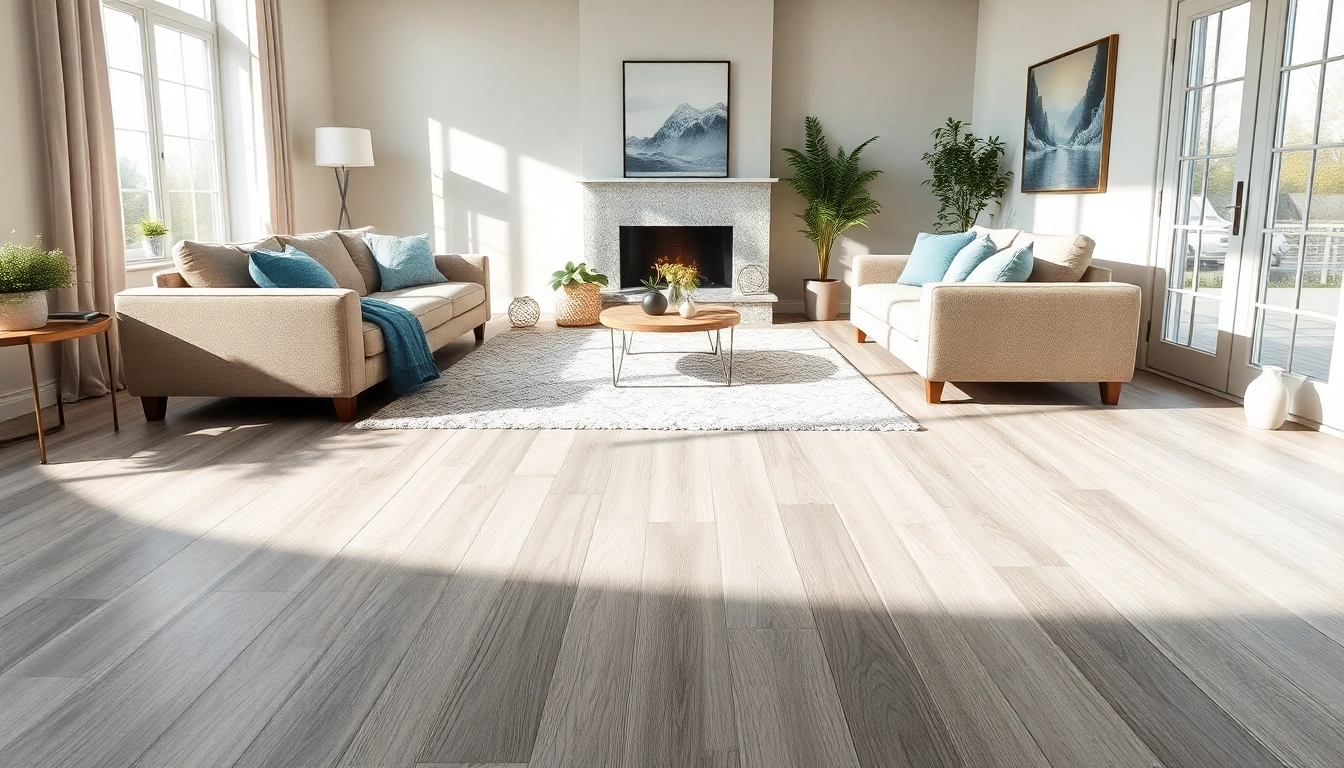
Understanding Vinyl Plank Flooring
Vinyl plank flooring is a popular choice for homeowners and businesses alike, known for its durability, aesthetic appeal, and cost-effectiveness. This versatile flooring option mimics the look of hardwood or stone while providing a waterproof, easy-to-install solution for various spaces. Not only does it serve functional purposes, but its visual charm enhances the overall design of interiors. Learn more about the various aspects of vinyl plank flooring as we delve deeper into its characteristics, benefits, and installation essentials.
Overview of Vinyl Plank Flooring Materials
Vinyl plank flooring consists of multiple layers, designed to offer high durability and comfort underfoot. The top surface is a protective layer that resists scratches and stains. Beneath this are layers that contribute to its overall structure, including a vinyl layer that acts as the main body, and a backing layer that provides cushioning and stability. This multi-layered construction not only ensures resilience but also aids in sound absorption, making it suitable for both residential and commercial uses.
Benefits of Vinyl Plank Flooring
One of the significant advantages of vinyl plank flooring is its waterproof nature, making it an ideal choice for moisture-prone areas like kitchens and bathrooms. Additionally, it is relatively easy to clean and maintain, requiring only regular sweeping and occasional damp mopping. The flooring is available in a vast array of styles, colors, and textures, allowing homeowners to achieve their desired aesthetic without breaking the bank. Moreover, its installation process can often be a DIY project, making it accessible for home improvement enthusiasts.
Common Misconceptions About Vinyl Plank Flooring
Despite its popularity, several misconceptions about vinyl plank flooring persist. One common myth is that it cannot resemble natural materials closely; however, advancements in printing technology have made it possible to create highly realistic wood and stone appearances. Another misconception is that vinyl plank flooring is not durable; in reality, high-quality vinyl options can last up to 20 years with proper care. Understanding these facts can help consumers make informed decisions when choosing their flooring solutions.
Choosing the Right Vinyl Plank Flooring
Types of Vinyl Plank Flooring Options
Vinyl plank flooring comes in several types, including luxury vinyl tile (LVT), luxury vinyl plank (LVP), and standard vinyl. Luxury options, LVT and LVP, are thicker and typically feature more realistic visuals and textures. They can be further categorized into glue-down, click-lock, and loose-lay installations, each offering different benefits based on the needs of a space. Understanding these variations is crucial for making the best choice for your project.
How to Match Vinyl Plank Flooring with Your Home Decor
When integrating vinyl plank flooring into a home decor scheme, consider factors such as color palettes, room function, and existing furnishings. For a cohesive look, match the flooring tone with other elements in the room, such as wall colors and furniture. Additionally, the texture and pattern should complement the overall style, whether modern, rustic, or traditional. Evaluating samples in the actual space helps homeowners visualize how the flooring aligns with their decor.
Factors to Consider Before Buying Vinyl Plank Flooring
Prior to making a purchase, several factors should be evaluated. These include the room’s moisture levels, foot traffic, and overall aesthetics. Choosing the correct thickness and wear layer is critical for durability, especially in high-traffic areas. It’s also advisable to research warranties and durability ratings to ensure the chosen product will meet long-term needs. Budget considerations are essential; while quality vinyl plank flooring may come with a higher upfront cost, its durability often leads to long-term savings.
Installation Process for Vinyl Plank Flooring
Preparing Your Space for Vinyl Plank Flooring
Before installation, preparation is paramount. Start by clearing the area of all furniture and obstructions, and make sure the subfloor is clean, dry, and level. Any imperfections in the subfloor can lead to issues with the ensuing installation. It’s also wise to acclimate the vinyl planks in the space for at least 48 hours prior to installation to allow them to adjust to the room temperature and humidity levels.
Step-by-Step Guide to Installing Vinyl Plank Flooring
The installation process can vary based on the type of vinyl plank flooring chosen. For click-lock vinyl plank flooring, follow these general steps:
- Acclimate the planks.
- Start by laying the first row, ensuring that the tongue-and-groove edges connect properly.
- Every consecutive row must stagger the seams to enhance stability.
- Use spacers at the wall edges to accommodate expansion.
- Continue until the entire area is covered, trimming where necessary.
- Once installed, remove the spacers and install baseboards or transition pieces.
Always consult the manufacturer’s instructions for specific guidelines related to the product used.
Tips for Ensuring a Smooth Installation of Vinyl Plank Flooring
A successful installation hinges on attention to detail. Ensuring the subfloor is level can prevent future problems, while using a tapping block or pull bar can help interlock planks without damaging them. Maintain a consistent room temperature throughout the installation process, as fluctuating temperatures can affect the material’s behavior. Finally, consider hiring a professional if you feel uncertain about handling the installation independently.
Caring for and Maintaining Vinyl Plank Flooring
Routine Cleaning Tips for Vinyl Plank Flooring
Maintaining vinyl plank flooring is relatively simple. Regularly sweeping or vacuuming removes dirt and debris that can scratch the surface. For deeper cleaning, utilize a damp mop with a manufacturer-recommended cleaner, avoiding harsh chemicals that may discolor the flooring. Promptly cleaning spills helps to prevent stains and warping over time.
Long-term Care for Vinyl Plank Flooring
For long-lasting beauty, periodic maintenance is key. Consider sealing the planks if recommended by the manufacturer. Additionally, avoid abrasive cleaning tools to prevent wear and tear. Keep the floor protective mats at entryways to minimize dirt and debris entering the home. Lastly, regularly inspect the flooring for any signs of damage or wear, addressing issues early to prolong the life of the flooring.
Common Challenges and Solutions for Vinyl Plank Flooring Maintenance
No flooring material is entirely without challenges. One common issue includes scratching; using area rugs in high-traffic zones can mitigate this problem. If planks become dented, a damp cloth and heat can sometimes lift the indentation. Persistent stains might require specialized cleaners; it’s crucial to consult product guides before attempting any cleaning solutions. For any extensive or permanent damage, it’s recommended to seek professional advice regarding repairs or replacements.
FAQs about Vinyl Plank Flooring
Is Vinyl Plank Flooring Waterproof?
Yes, high-quality vinyl plank flooring is waterproof, making it suitable for kitchens, bathrooms, and basements.
How Long Does Vinyl Plank Flooring Last?
With proper care, vinyl plank flooring can last between 10 to 20 years, depending on the quality and wear layer thickness.
Can I Install Vinyl Plank Flooring Over Existing Flooring?
In many cases, vinyl plank flooring can be installed over existing flooring, provided the surface is stable and flat.
What is the Cost of Vinyl Plank Flooring?
The cost of vinyl plank flooring varies significantly based on quality and brand, averaging between $2 to $7 per square foot.
How Can I Repair Damaged Vinyl Plank Flooring?
Minor scratches can be treated with specialized cleaners, while severe damage may require plank replacement; consult a professional for optimal solutions.