

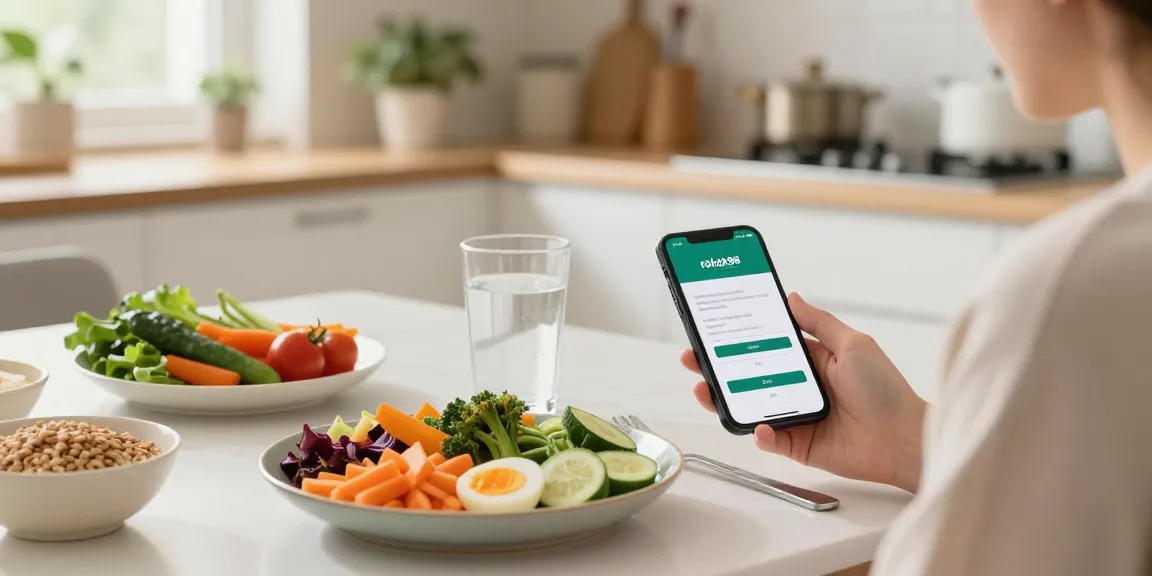
Understanding the Importance of a Healthy Lifestyle
Embracing a healthy lifestyle is not just a trend; it’s a fundamental necessity for a long and vibrant life. In our fast-paced world, the importance of maintaining physical and mental well-being cannot be overstated. Adopting healthy habits is essential not only for personal health but also for improved productivity and overall happiness. When exploring options, rokok88 link login provides comprehensive insights into how a well-rounded lifestyle can be achieved.
What Constitutes a Healthy Lifestyle?
A healthy lifestyle encompasses various aspects, including a balanced diet, regular physical activity, adequate rest, and mental well-being. It’s about making choices that optimize health and wellness. Here are the critical components:
- Balanced Diet: Consuming a variety of foods rich in nutrients is crucial. This includes fruits, vegetables, whole grains, lean proteins, and healthy fats.
- Regular Exercise: Engaging in physical activity for at least 150 minutes a week can significantly improve health outcomes.
- Adequate Sleep: Quality sleep is vital for recovery and overall health. Adults should aim for 7-9 hours per night.
- Mental Health: Practices such as mindfulness, stress management, and social connections play a crucial role in maintaining mental health.
Benefits of Maintaining Health Daily
Daily healthy habits can lead to numerous benefits, including:
- Improved Mood: Regular physical activity and a nutritious diet are linked to enhanced mood and reduced symptoms of depression and anxiety.
- Increased Longevity: A commitment to health can lead to a longer life, reducing the risk of chronic diseases.
- Enhanced Productivity: Healthy individuals often experience higher energy levels and better focus, contributing to greater productivity.
Common Misconceptions about Healthy Living
Many misconceptions about healthy living can hinder progress. Some common myths include:
- “Healthy Eating is Expensive”: Many nutritious foods, such as grains, legumes, and seasonal vegetables, are affordable.
- “You Have to Exercise for Hours”: Short, intense workouts can be just as effective as longer sessions.
- “Dieting Means Starving”: A healthy diet should never leave you feeling deprived; it’s about making smarter food choices.
Exploring Treatment Center Diets
Treatment center diets aim to help individuals adopt healthier eating habits through structured programs. These diets are often personalized to meet the unique needs of participants.
What is the Treatment Center Diet?
The Treatment Center Diet is a comprehensive approach designed to support individuals in changing their eating patterns. It integrates nutritional education, psychological support, and practical strategies to foster lasting habits.
How the Treatment Center Diet Operates
This diet typically involves assessments by healthcare professionals who create tailored meal plans. Participants receive tools such as food diaries, meal prep guides, and ongoing support to track their progress and make adjustments. The emphasis on gradual changes ensures long-term sustainability.
Success Stories from the Treatment Center Diet Program
Many individuals have transformed their lives through the Treatment Center Diet. For instance, participants often share their stories of improved health markers, such as weight loss, decreased blood pressure, and enhanced mental clarity. These success stories highlight the program’s effectiveness in fostering a supportive community alongside a structured diet plan.
Utilizing the Rokok88 Link Login Effectively
Understanding how to navigate the Rokok88 platform can significantly enhance your experience, allowing you to access valuable resources and support.
Navigating the Rokok88 Link Login
The Rokok88 link login is straightforward, offering a seamless pathway to personalize your health journey. Users can easily register for an account and gain access to a wealth of resources, including meal plans, exercise guides, and community forums.
Setting Up Your Profile for Personalized Diet Plans
After logging in, setting up a detailed profile is essential. Users should input relevant information such as age, weight, dietary preferences, and health goals. This allows for tailored recommendations that fit individual lifestyles and needs.
Accessing Resources Through the Rokok88 Platform
The Rokok88 platform provides extensive resources, including articles, recipes, and access to professional advice. These tools help users stay informed and motivated on their health journeys.
Integrating Healthy Habits into Your Daily Routine
Making healthy choices doesn’t have to be overwhelming. Small, manageable steps can lead to significant improvements over time.
Small Steps to Achieve Consistency in Healthy Eating
Start by incorporating more fruits and vegetables into your meals. Meal prepping can simplify grocery shopping and ensure you have healthy options available throughout the week. Consider trying new recipes or cooking methods to keep your meals exciting and nutritionally balanced.
Balancing Nutrition with a Busy Lifestyle
For those with hectic schedules, balancing nutrition can be challenging. Here are some tips:
- Plan Ahead: Dedicate time each week for meal planning and shopping to avoid last-minute unhealthy choices.
- Keep Healthy Snacks Accessible: Having nuts, fruits, or yogurt on hand can curb hunger and prevent unhealthy snacking.
- Stay Hydrated: Carry a water bottle to ensure you’re drinking enough throughout the day.
Tracking Your Progress and Adjusting Your Goals
Using a journal or a digital app to track your food intake, exercise, and moods can provide valuable insights. Regular reviews of your progress can help adjust goals as needed, ensuring continued motivation and success.
Future Trends in Healthy Living and Diet Programs
The health and wellness industry is constantly evolving, with new trends and technologies emerging that can aid in achieving a healthier lifestyle.
Emerging Technologies in Health and Diet Management
Innovative technologies, such as wearable fitness trackers and mobile health applications, are making it easier to monitor various health metrics. These tools can help individuals stay accountable and reach their health goals more effectively.
Predictions for Sustainable Diet Practices in 2026
As we approach 2026, a shift towards more sustainable diets is expected. This includes increased plant-based eating, sustainable sourcing of foods, and reduced reliance on processed products. Consumers are becoming more conscious of their food choices and their impact on the environment.
Expert Tips for a Long-Term Healthy Lifestyle
- Set Realistic Goals: Aim for small, achievable milestones rather than drastic changes.
- Learn to Cook: Developing cooking skills can empower you to make healthier choices and reduce reliance on takeout.
- Find Activities You Enjoy: Exercise doesn’t have to be a chore. Finding enjoyable activities can keep you motivated.
What are the Common Obstacles in Maintaining a Healthy Lifestyle?
Many face challenges when trying to maintain a healthy lifestyle. Common obstacles include lack of time, motivation, and access to healthy foods. Acknowledging these barriers is the first step in overcoming them.
How Can I Incorporate More Nutrients into My Diet?
Incorporating more nutrients can be as simple as adding a side salad to meals, opting for whole grains over refined grains, and focusing on colorful fruits and vegetables. Small changes, when made consistently, can lead to significant nutrients intake.
Are Diet Programs Effective in the Long Run?
While immediate weight loss can be achieved through various diets, sustainability is key. Programs that promote flexibility and support healthy habits are more effective for long-term success.
What Role Does Hydration Play in a Healthy Lifestyle?
Hydration is vital for maintaining energy levels, supporting digestion, and preventing fatigue. Individuals should aim for adequate water intake daily, adjusting based on activity levels.
What are the Key Components of Effective Diet Planning?
Effective diet planning involves understanding individual dietary needs, setting realistic goals, and maintaining flexibility. It should also include education about nutrition and cooking to empower better food choices.