

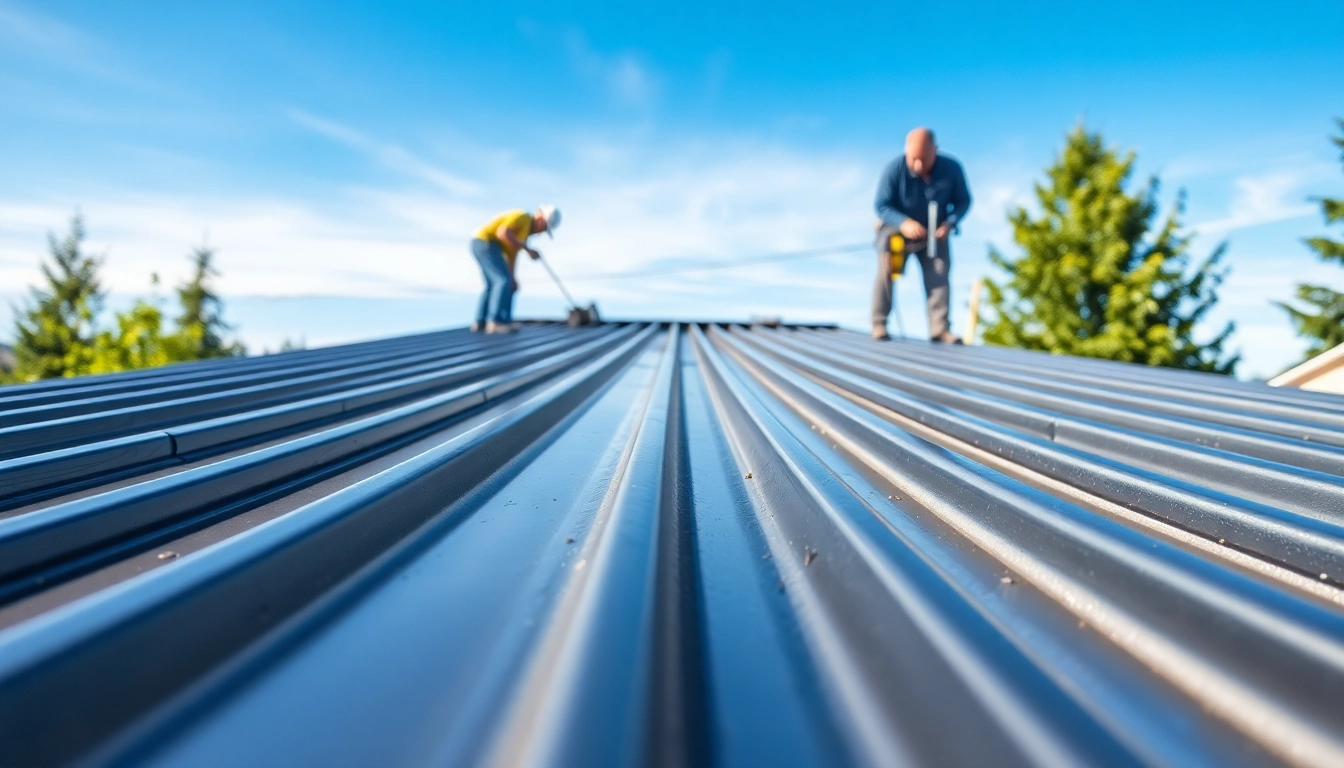
Understanding Metal Roofing
What is Metal Roofing?
Metal roofing refers to roofing systems made from metal materials that are designed to provide protection and aesthetic appeal to residential and commercial buildings. Commonly used metals include steel, aluminum, copper, and zinc, each offering its own unique advantages. There are several forms of metal roofing, such as panels, shingles, and tiles, which can be installed either in a vertical or horizontal fashion depending on the design requirements. As the trend for durable and sustainable building materials grows, many homeowners in Vancouver are considering metal roofing vancouver options to enhance their properties.
Benefits of Metal Roofing Vancouver
Metal roofing provides a multitude of benefits that appeal to the discerning Vancouver homeowner:
- Longevity: With a lifespan of 40 to 70 years, metal roofs outlast many traditional roofing materials.
- Durability: Metal roofs are resistant to extreme weather conditions, including heavy rain, snow, and high winds.
- Energy Efficiency: Reflective metal roofs can significantly reduce cooling costs by reflecting solar heat away from the building.
- Low Maintenance: Unlike other roofing types, metal roofs generally require less frequent repairs and upkeep.
- Environmental Impact: Metal roofing materials can often be recycled at the end of their life, contributing to sustainability efforts.
Common Myths Debunked
Despite its growing popularity, several myths about metal roofing persist:
- Myth 1: Metal roofs are too noisy during rainstorms. Reality: The noise can be mitigated with proper insulation.
- Myth 2: Metal roofs attract lightning. Reality: Metal does not increase the risk of lightning strikes; they can even conduct lightning safely.
- Myth 3: Metal roofing is too expensive. Reality: While the initial investment is higher than asphalt shingles, its longevity and energy savings provide overall value.
Choosing the Right Metal Roofing for Your Needs
Types of Metal Roofing Materials
There are several types of metal roofing materials, each suited to different aesthetic and functional needs:
- Steel Roofing: Often galvanized or coated to resist rust, steel is a popular choice for its strength and affordability.
- Aluminum Roofing: Lightweight and corrosion-resistant, aluminum is ideal for coastal areas where salt air can increase corrosion risk.
- Copper Roofing: Known for its striking appearance and durability, copper roofs develop a green patina over time but can be quite expensive.
- Metal Tiles: These mimic traditional roofing styles and can provide a sophisticated aesthetic while integrating the benefits of metal.
Factors to Consider When Selecting
When choosing metal roofing, several factors should be evaluated:
- Climate: The local climate will dictate the best materials for your home.
- Style: Consider whether the material fits with the overall look of your home and neighborhood.
- Color: Darker colors can absorb heat, which may be beneficial or detrimental depending on the local climate.
- Budget: Weigh the upfront costs against long-term savings in durability and energy efficiency.
Comparing Metal Roofing with Traditional Options
When comparing metal roofing to traditional options like asphalt shingles or wood shakes, it’s essential to consider:
- Lifespan: Metal roofs typically last longer than shingles (40-70 years vs. 20-30 years).
- Maintenance: Metal roofs require less maintenance, as they are less susceptible to damage from mildew, rot, and insects.
- Insurance Costs: Properties with metal roofing may benefit from reduced insurance premiums due to lower risk profiles.
Installation Process of Metal Roofing Vancouver
Preparing Your Home for Installation
Before installation begins, it’s essential to prepare your home to ensure a smooth process:
- Zoning Permits: Check local zoning regulations to ensure compliance.
- Structural Evaluation: Ensure your roof structure can support the weight of metal roofing.
- Clear the Area: Remove debris and provide access for installers.
Steps Involved in Metal Roofing Installation
The installation process typically involves several key steps:
- Removing Old Roofing: If replacing an existing roof, the old material must be removed.
- Inspecting the Roof Deck: Ensure the underlying structure is sound and repair as needed.
- Installing Underlayment: A moisture barrier is laid to prevent leaks.
- Applying the Metal Panels: The metal panels are installed starting from the lower edge of the roof and working upwards.
- Sealing and Flashing: All seams must be sealed, and flashing is installed around structures like chimneys or vents.
Post-Installation Care and Maintenance
After installation, regular checks can prolong the life of your metal roof:
- Inspection: Regularly inspect your roof for any signs of wear or damage.
- Cleaning: Clear off leaves and debris to prevent moisture buildup.
- Paint Touch-ups: Touch up any scratches to prevent rust formation.
Cost and Value of Metal Roofing Vancouver
Factors Influencing Metal Roofing Costs
The costs associated with metal roofing can vary widely due to several influencing factors:
- Material Type: The choice of metal significantly affects pricing; for instance, copper is more costly than steel.
- Roof Size and Complexity: Larger roofs or those with unique angles will require more material and labor.
- Labor Costs: Skilled labor can affect the overall project budget.
Long-term Value and Savings
While the initial costs of metal roofing may be higher, the long-term value is often undeniable:
- Energy Savings: Metal roofs can lower utility bills due to their reflective properties.
- Resale Value: Homes with metal roofing can command higher resale values.
- Insurance Premiums: Better durability can result in lower insurance costs over time.
Financing and Budgeting for Your Project
Funding your new roofing project can be easier with some planning:
- Home Improvement Loans: Many lenders offer specific loans for renovation projects.
- Insurance Coverage: Check if your policy covers roofing replacement costs.
- Savings Plans: Setting aside savings specifically for home improvements can also reduce financial stress.
FAQs About Metal Roofing Vancouver
How long does metal roofing typically last?
Metal roofing can last between 40 to 70 years depending on the material and maintenance conditions, making it a long-lasting option for homes.
Is metal roofing energy-efficient?
Yes, metal roofing is highly energy-efficient due to its reflective nature, helping to reduce cooling costs in warmer months.
Can I install metal roofing over existing shingles?
In many cases, metal roofing can be installed over existing shingles, but it’s crucial to assess the underlying roof’s condition first.
What maintenance is required for metal roofing?
Metal roofs require minimal maintenance, including regular inspections, cleaning debris, and addressing any rust or damage immediately.
Are there different styles of metal roofing available?
Yes, metal roofing comes in various styles, including panels, tiles, and shingles, allowing homeowners to choose according to their aesthetic preferences.