

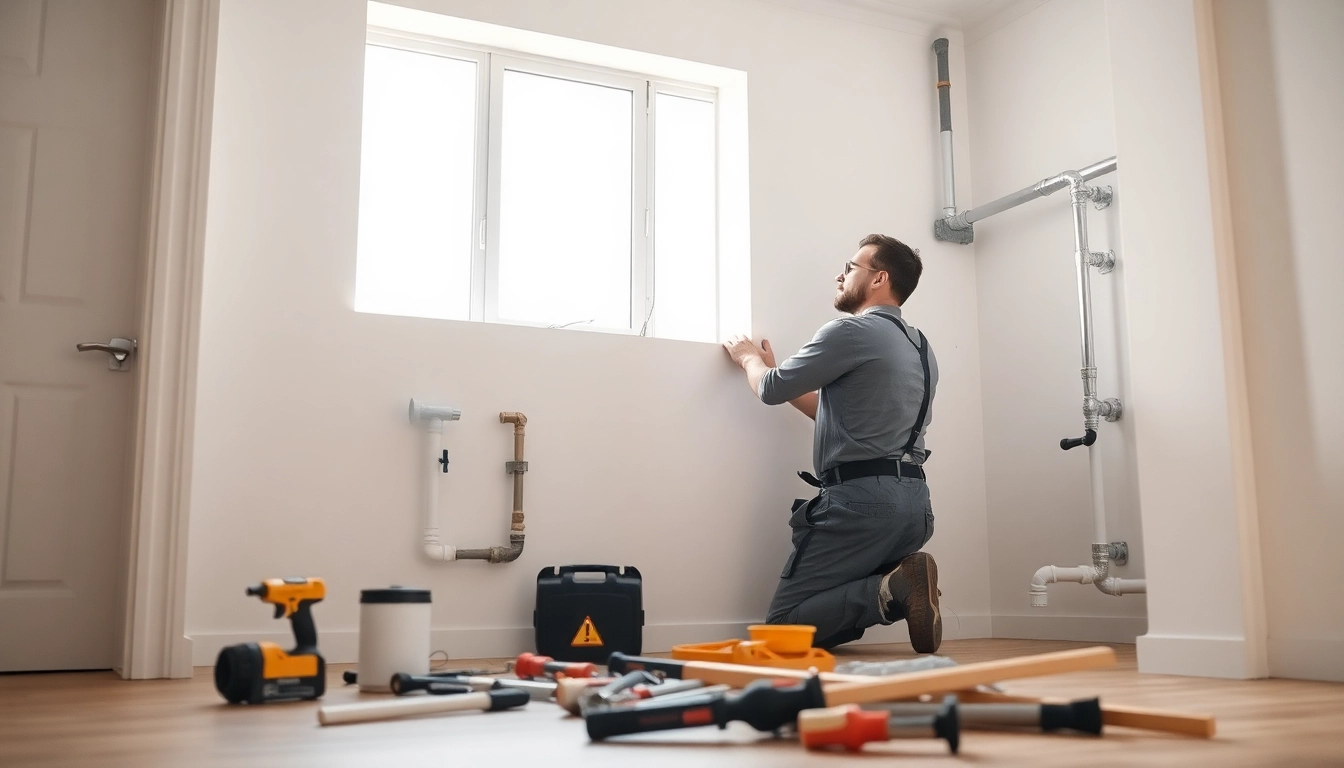
Understanding Whole House Repiping Services Tampa
Whole house repiping is a critical service for homeowners facing persistent plumbing issues. If your pipes are outdated, damaged, or corroded, understanding the nuances of this service is essential for maintaining your home’s integrity and safety. This article delves into the importance of whole house repiping, particularly focusing on the whole house repiping services Tampa to ensure you are well-informed about this essential plumbing solution.
What is Whole House Repiping?
Whole house repiping involves replacing all the existing plumbing pipes in a home. This process aims to eliminate issues related to corrosion, leaks, and poor quality of water. Repiping can be necessary for older homes where the plumbing system has not been updated for many years or where the initial materials used were not durable.
Why Repiping is Necessary
There are several reasons why repiping may be necessary:
- Pipe Age: Over time, pipes degrade due to constant exposure to water and various temperature changes.
- Corrosion: Older metal pipes can corrode, leading to leaks and contamination of drinking water.
- Frequent Leaks: If you’re often dealing with plumbing leaks, repiping can address the root cause rather than just repairing the symptoms.
- Water Quality Issues: Discolored or foul-smelling water is often a sign of pipe deterioration.
Signs You Need Repiping
Recognizing the signs that indicate a need for repiping can save homeowners from more extensive damage and costs in the future. Here are the primary indicators:
- Low water pressure across fixtures.
- Rusty or brown water coming from tap.
- Frequent leaks in multiple areas of the home.
- Unusual noises from plumbing, such as knocking or banging.
- Signs of water damage on walls or ceilings.
Benefits of Whole House Repiping Services Tampa
Investing in whole house repiping gives homeowners numerous benefits that go beyond just fixing leaks. Here are the key advantages:
Improved Water Quality
One of the most significant benefits of repiping is the immediate improvement in water quality. New pipes, particularly if made from materials like PEX or copper, ensure that the water remains clean and free from contaminants that typically leach from older piping.
Increased Home Value
Homes with updated plumbing systems are generally more attractive to potential buyers. By investing in whole house repiping, homeowners can significantly increase their property’s market value and appeal, particularly in regions like Tampa Bay, where real estate competition is high.
Enhanced Plumbing Efficiency
New plumbing systems discourage leaks and blockages, leading to enhanced efficiency. Homeowners will notice reduced water bills and better performance from fixtures, resulting in a more comfortable living environment.
Choosing the Right Materials for Repiping
The choice of material when repiping is critical to the longevity and effectiveness of the plumbing system. Below are common materials and considerations:
Copper vs. PEX
Choosing between copper and PEX piping is a significant decision. Copper has been the traditional choice for its durability and resistance to heat and cold; however, PEX has surged in popularity due to its flexibility, lower cost, and ease of installation. Each option has benefits and drawbacks:
- Copper: Durable, fire-resistant, but can be more expensive and less flexible.
- PEX: Inexpensive, flexible, resistant to scale and chlorine, but issues can arise in UV light exposure and with extreme temperatures.
Cost Considerations
The cost of repiping encompasses both materials and labor. While PEX typically costs less upfront, the longevity of copper might make it a more valuable investment in the long term. Homeowners should seek multiple estimates and factor in both immediate and future costs when making a decision.
Longevity of Different Materials
Understanding the expected lifespans of various materials can inform your decision-making process:
- PVC: Up to 30 years.
- PEX: 40-50 years.
- Copper: 50+ years.
Hiring Professionals for Whole House Repiping Services Tampa
Repiping is not a DIY task; it requires skilled professionals. Here’s what to consider when hiring.
What to Look for in a Plumbing Contractor
Finding the right contractor involves looking for licensed professionals with experience in whole house repiping. Always check for:
- Valid licenses and insurance.
- Strong online reviews and references.
- Experience with the specific materials you are considering.
- Upfront quotes without hidden fees.
Cost Estimates and Quotes
When obtaining quotes, ensure that they include all aspects of the project—from materials to labor. An experienced contractor will provide a detailed breakdown of costs, helping you avoid unexpected expenses.
Questions to Ask Your Plumber
Equipping yourself with the right questions can clarify the project ahead:
- What types of pipes do you recommend for repiping?
- How long do you anticipate the project will take?
- What guarantees do you offer for workmanship?
- Can you provide references from previous clients?
FAQs About Whole House Repiping Services Tampa
How long does the repiping process take?
The duration for repiping an entire house typically ranges from 1 to 3 days, depending on the home’s size and complexity of the plumbing system.
Will repiping affect my water pressure?
Repiping usually enhances water pressure as new pipes facilitate smoother water flow compared to older, corroded pipes.
Do I need to relocate during repiping?
In most cases, you won’t need to relocate. However, some parts of your home may experience temporary disruption of water service during repairs.
What are the signs of pipe corrosion?
Signs of corrosion include discoloration of water, leaks, a reduction in water pressure, and rusty water from the taps.
Can I do repiping myself?
Repiping is complex and typically requires professional expertise. A licensed plumber can ensure safe, compliant installation.