

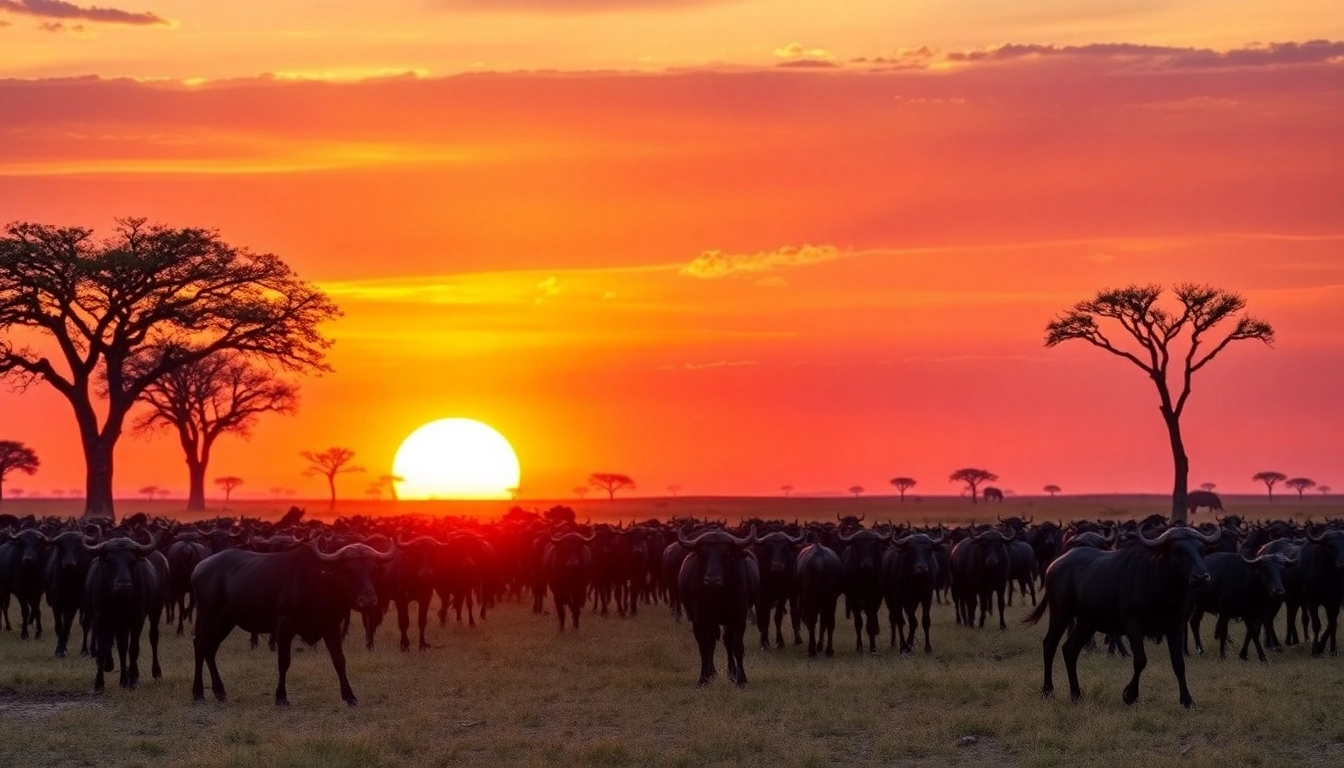
What is the Wildebeest Migration Safari?
The Wildebeest migration safari is not merely a wildlife viewing experience; it is one of the greatest natural spectacles on earth, where millions of wildebeests, zebras, and other grazing animals move across the plains of East Africa. This epic journey, primarily between the Serengeti National Park in Tanzania and the Masai Mara National Reserve in Kenya, is driven by the search for food and water. Each year, it involves a staggering number of participants and showcases the raw beauty of nature.
Understanding the Migration Phenomenon
The remarkable journey of the wildebeest migration is marked by the cyclical patterns of rains and dry spells in the region. Starting in the Serengeti around January or February, the wildebeests give birth to thousands of calves, creating a vibrant atmosphere filled with energy and life. By March, with the grass becoming lush, massive herds begin their trek in pursuit of greener pastures. The migration includes traversing plains, rivers, and valleys, leading to encounters with various predators, creating a unique ecosystem dynamic.
Significance of the Migration
The significance of this migration goes beyond the survival instincts of the animals involved. It plays a crucial role in the ecosystem of East Africa. The movement of such a large number of animals ensures nutrient cycling as they graze on the vegetation, and their movement facilitates the migration of other species, including predators, that follow to take advantage of the abundance of food. Moreover, this natural event holds immense ecological, cultural, and economic importance, especially for the communities that rely on tourism.
When to Experience the Migration
The best time to experience the wildebeest migration is typically between June and September during the dry season, particularly around the Mara River crossings when herds face challenges posed by crocodiles and strong currents. As these months progress, the migration reaches its peak, presenting breathtaking opportunities for wildlife spotting. Additionally, early and late seasons, from January to March and October to December, can also offer excellent viewing experiences, albeit for different reasons such as calving or food searching.
Planning Your Wildebeest Migration Safari
Embarking on a successful wildebeest migration safari requires careful planning and preparation. From choosing the right time to exploring methods of travel, understanding how to navigate this extraordinary experience is essential for making the most of your adventure.
Choosing the Right Time of Year
Selection of the best time for your Wildebeest migration safari can significantly affect your experience. Observing the migration from late summer to early autumn typically offers the best viewing of river crossings and congregations of animals. However, if you’re keen on witnessing calving season or the lush landscapes post-rains, planning for January to February is advisable. Each period offers unique aspects of the migration, making it worth considering what you want to see.
Selecting a Guided Tour or Self-Drive
Choosing between a guided tour and a self-drive safari can significantly impact your experience. Guided tours offer the expertise of local guides, who possess knowledge about wildlife behavior and the best viewing spots. Moreover, they provide necessary safety measures and logistical support. Alternatively, a self-drive safari can provide a greater sense of adventure and flexibility. However, it demands thorough research and familiarity with local regulations and routes.
Essential Packing Tips for Safari
Packing wisely for a safari is crucial. Opt for lightweight, moisture-wicking clothing in neutral colors to ensure comfort and blend in with the environment. Bring binoculars for wildlife viewing, a camera with a zoom lens for photography, and sunscreen to protect against UV rays. Additionally, don’t forget a refillable water bottle to stay hydrated, insect repellent to ward off pests, and first-aid supplies for emergencies during your trip.
Best Locations for the Wildebeest Migration Safari
East Africa offers multiple spectacular spots for viewing the wildebeest migration, each contributing unique experiences and opportunities. Understanding these locations will better prepare you for your safari journey.
Key National Parks and Reserves
The primary locations to experience the migration include the Serengeti National Park and the Masai Mara National Reserve. The Serengeti, a UNESCO World Heritage Site, features vast grasslands, making it ideal for grazing animals during the migration. The Masai Mara, known for its dramatic landscapes and rich wildlife population, acts as the final destination for the herds as they reach greener pastures. Other notable areas include Ngorongoro Crater and Tarangire National Park, both offering diverse wildlife opportunities though not directly tied to the migration.
Unique Features of Each Location
Each park provides distinct attributes that enhance the safari experience. The Serengeti is celebrated for its expansive terrain where vast herds move freely, while the Masai Mara offers rich visibility and accessibility to myriad wildlife. Ngorongoro Crater, formed by a collapsed volcano, contains a unique ecosystem in a contained area where wildlife viewing is concentrated. Tarangire’s varied landscapes, notably its baobab trees, are home to large populations of elephants and other species, making it a delight for wildlife enthusiasts.
Accessibility and Travel Considerations
Traveling to East Africa requires good planning regarding accessibility. Both the Serengeti and Masai Mara are reachable via air and road. Local airlines offer regular flights to major landings, while traveling by road provides an opportunity for additional wildlife viewing. However, road conditions can vary, so ensure your transport arrangements are equipped for potential challenges. Additionally, always check visa and vaccination requirements before your journey.
Wildlife Spotting During the Wildebeest Migration Safari
The wildebeest migration attracts numerous other wildlife species, demonstrating the interconnectedness of the ecosystem. Engaging in wildlife spotting adds to the richness of the safari experience.
Other Animals to Observe
While the wildebeests are the stars of the migration, the event brings along a host of other animals, including zebras, gazelles, and various bird species. Predators such as lions, cheetahs, and hyenas follow the herds closely, exploiting the opportunity for easy hunts. The dynamic interplay between prey and predator during migration seasons creates thrilling wildlife drama for observers.
Photography Opportunities
The migration offers stunning photography opportunities, capturing both the vibrant landscapes and the emotional moments of animal interactions. Early morning and late afternoon provide ideal lighting for wildlife photography. To enhance your skills, consider investing in photography courses ahead of your trip, and pack the right lenses to capture images from a distance, ensuring you maintain a respectful distance from the animals.
Best Practices for Wildlife Viewing
Adhering to best practices while viewing wildlife is crucial for both personal safety and the well-being of the animals. Always maintain a safe distance from wildlife, and avoid making abrupt movements that could disturb them. Respect the natural behaviors of animals, and follow any instructions from your guides. Responsible wildlife viewing should aim to minimize human impacts on their ecosystems.
Frequently Asked Questions About Wildebeest Migration Safari
What is the best time to see the wildebeest migration?
The best time to witness the wildebeest migration is typically between June and September, during the dry season when they cross the Mara River.
How long does the migration last?
The migration lasts approximately six months, with herds moving across the Serengeti to the Masai Mara in search of greener pastures.
Do I need a guide for the safari?
While it’s possible to conduct a self-drive safari, hiring a professional guide can enhance your experience by providing safety and knowledge about the wildlife.
What should I wear during the safari?
Dress in layers suitable for varying temperatures, and choose neutral colors to blend with the environment, avoiding bright or revealing clothes.
Can I see other wildlife during the migration?
Yes, the migration attracts numerous predators such as lions, hyenas, and crocodiles, offering a rich viewing experience during your safari.
