

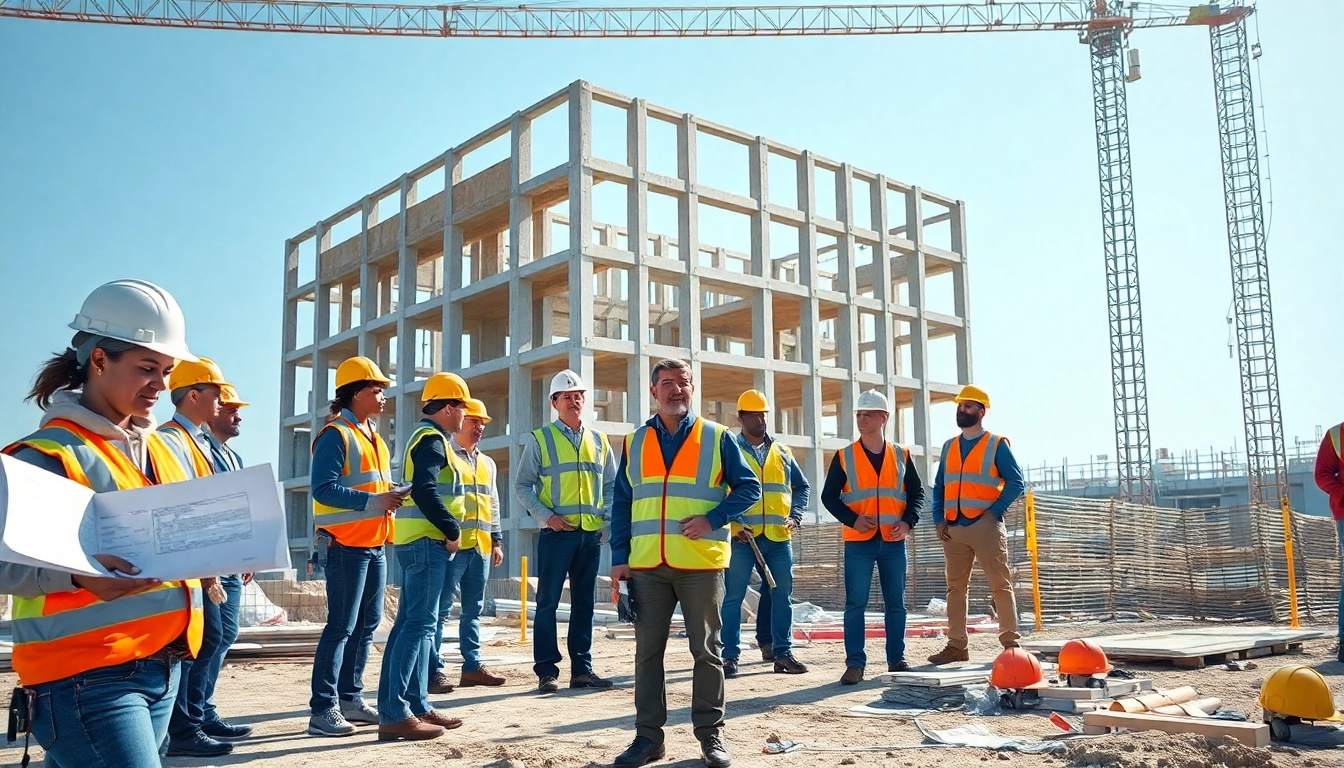
Understanding the Role of a New Jersey Commercial General Contractor
Definition and Key Responsibilities
A New Jersey Commercial General Contractor (NJCGC) serves as a pivotal figure in the construction industry, managing a multitude of tasks that are essential for the successful completion of commercial projects. Essentially, these professionals act as the project manager, overseeing everything from initial planning to the final touches of construction. This role includes coordinating subcontractors, managing schedules, and ensuring that building codes and regulations are adhered to throughout the project lifecycle. Specifically, a NJCGC is responsible for:
- Developing comprehensive project plans that outline timelines, budgets, and resources.
- Securing necessary permits and licenses to ensure compliance with state regulations.
- Hiring and managing subcontractors as needed.
- Conducting site inspections and supervising day-to-day operations on site.
- Maintaining communication with stakeholders, including clients, architects, and local officials.
- Handling all financial obligations involved in the project, ensuring that costs stay within budget.
Project Management Skills
Project management is a multifaceted discipline, and the skills required to excel as a New Jersey Commercial General Contractor are extensive. Some of the critical skills include:
- Time Management: The ability to prioritize tasks and manage schedules effectively is paramount to avoid delays and ensure timely project completion.
- Budgeting: Accurate budgeting allows the contractor to allocate funds strategically, manage costs, and provide clients with transparency regarding expenditures.
- Problem-Solving: Challenges are a commonplace in construction projects. A successful contractor must swiftly identify issues and implement effective solutions.
- Communication: Clear and open lines of communication with all stakeholders are crucial for effective collaboration and progress tracking.
- Leadership: Guiding teams, motivating workers, and resolving conflicts are essential components of a contractor’s leadership role.
Importance in Construction Projects
The significance of a New Jersey Commercial General Contractor cannot be overstated. Their presence brings several advantages to construction projects, including:
- Ensured Compliance: Avoiding legal ramifications is critical, as contractors are well-versed in local building codes and regulations.
- Risk Management: By identifying potential risks ahead of time, a NJCGC can significantly mitigate unexpected setbacks.
- Resource Management: Effective allocation and management of resources, including labor and materials, contribute to project efficiency and cost-effectiveness.
- Quality Assurance: By overseeing all facets of construction, these contractors maintain high-quality standards, helping to ensure that the final product meets expectations.
Identifying Qualified New Jersey Commercial General Contractors
Researching Credentials and Experience
Choosing a qualified New Jersey Commercial General Contractor requires careful consideration of various factors, including credentials and experience. Potential clients should prioritize contractors who possess the following:
- Licenses: Valid state and local licenses affirm that the contractor meets all regulatory requirements.
- Certifications: Industry certifications indicate proficiency and adherence to best practices.
- Experience: Prior experience with similar projects can greatly influence a contractor’s understanding of specific requirements and challenges.
Researching potential contractors starts with reviewing their portfolios and credentials, facilitating a better understanding of their track record and expertise within the New Jersey market.
Client Testimonials and Reviews
Client testimonials and reviews serve as invaluable indicators of a contractor’s reliability. Prospective clients should seek:
- Reviews on third-party sites, which provide unbiased opinions from previous clients.
- Citations of successful projects that resemble the client’s needs.
- Insights into customer service, reliability, and overall satisfaction rates.
Reaching out to a contractor’s past clients for direct feedback can further enhance trust and provide more personal perspectives on the company’s work ethic and professionalism.
Evaluating Past Projects
Reviewing a contractor’s portfolio of past projects is essential for gaining insight into their capability and craftsmanship. Key areas to evaluate include:
- Variety of projects: Contractors who have worked on a diverse range of projects typically possess a broader skill set.
- Quality of workmanship: Photos and site visits (if possible) allowing evaluation of finished projects and ongoing work will provide clear indicators of quality.
- Client Types: Previous work with similar businesses or industries can indicate a deeper understanding of specific requirements.
Cost Considerations When Hiring a Contractor
Estimating Project Budgets
When planning a construction project, estimating the budget is critical. Key elements that contribute to the overall cost include:
- Labor Costs: Labor often accounts for a significant percentage of project costs, making it vital to include accurate estimates based on market rates.
- Materials: Assessing material costs, particularly for high-quality options, enables more accurate budgeting.
- Permits and Inspections: These essentials can add unforeseen costs if not considered within the initial budget.
Employing a detailed estimate breakdown not only enhances transparency but also encourages trust between the NJCGC and the client.
Understanding Fees and Billing Structures
Understanding the contractor’s fee structure is essential for budget management. Typical billing structures associated with NJCGCs include:
- Fixed Price Contracts: A predetermined cost agreed upon before the project begins, offering predictability in budgeting.
- Time and Materials Contracts: Based on actual hours worked and materials used, this structure varies depending on project fluctuations.
- Cumulative Cost Contracts: A combination of fixed pricing for some services and variable pricing for others, providing flexibility and transparency.
Engaging in open discussions regarding fees, payment schedules, and potential unforeseen costs is crucial to avoid confusion and disagreements.
Finding Value for Money
Value for money extends beyond just the lowest bid. Factors to consider include:
- Longevity of Work: High-quality work often reduces future repair or renovation costs.
- Professionalism: Evaluate how the contractor conducts themselves and how they handle unforeseen challenges.
- Post-Project Support: A contractor who offers warranties or guarantees indicates commitment to quality and customer satisfaction.
Conducting comparisons among multiple contractors can help identify the best option that combines quality and cost-effectiveness.
Best Practices for Contract Negotiations
Key Terms to Include
Establishing a solid contract is vital to prevent misunderstandings. Key terms to include in agreements with a New Jersey Commercial General Contractor are:
- Scope of Work: Clearly define all tasks and responsibilities.
- Timeline: Specific deadlines for project phases can help keep things on track.
- Payment Terms: Include details regarding payment schedules and conditions for withholding payment.
- Liabilities: Clarification of responsibilities in case of damages or delays ensures protection for both parties.
Managing Expectations and Deliverables
Setting clear expectations from the outset is critical for maintaining a positive relationship between the contractor and client. Essential aspects to cover include:
- Defining performance metrics to gauge project milestones.
- Regular updating and check-ins on project status to keep the client informed.
Documenting all discussions and agreements mitigates potential issues and enhances accountability.
Finalizing the Agreement
Once all terms and conditions are established, formalizing the agreement should involve:
- Reviewing all contract terms thoroughly and ensuring that both parties understand and agree.
- Obtaining legal counsel if necessary to protect interests.
- Ensuring all signatories are present, and that contract copies are distributed to relevant parties.
Signing with clarity promotes trust and helps cultivate a productive work relationship.
Maintaining Communication During the Project
Setting Up Regular Check-Ins
Structured communication is vital for project success. Establish routine check-ins to:
- Assess progress and resolve any emerging issues.
- Align on upcoming tasks and timelines.
- Reiterate project goals and expectations to all involved parties.
These meetings can be formal or informal, but they should ensure that lines of communication remain open.
Addressing Concerns Promptly
Feed-forward communication is important for avoiding misunderstandings. Recommendations for addressing concerns include:
- Encouraging team members to voice issues they encounter.
- Implementing a system for logging issues as they arise, ensuring they are addressed in a timely manner.
- Involving all necessary parties when resolving conflicts to maintain transparency.
Ensuring Quality Control Throughout
Quality assurance is an ongoing process throughout a project. Key practices include:
- Conducting regular inspections to verify that work meets the established criteria.
- Utilizing feedback from team members and clients to continually improve the quality of work.
- Documenting all inspections and results to maintain records and accountability.
By prioritizing quality control, contractors can uphold standards that enhance client satisfaction and project outcomes.
Frequently Asked Questions
What should I look for when choosing a commercial contractor?
Seek contractors with relevant experience, valid licenses, positive reviews, and a strong portfolio of completed projects to ensure reliability.
How can I estimate the costs of my construction project?
To estimate costs, evaluate labor rates, materials, permits, and necessary equipment, while also including a contingency fund for unexpected expenses.
What is the typical payment structure for contractors?
Common payment structures include fixed-price contracts, time and materials contracts, or cumulative cost contracts that combine flat pricing with variable rates.
How do I ensure quality during the project?
Ensure quality by conducting regular inspections, communicating consistently with your contractor, and documenting all aspects of the construction process.
What are essential items to include in a contract?
A well-drafted contract should include the scope of work, timeline, payment terms, liabilities, and any special conditions agreed upon by both parties.