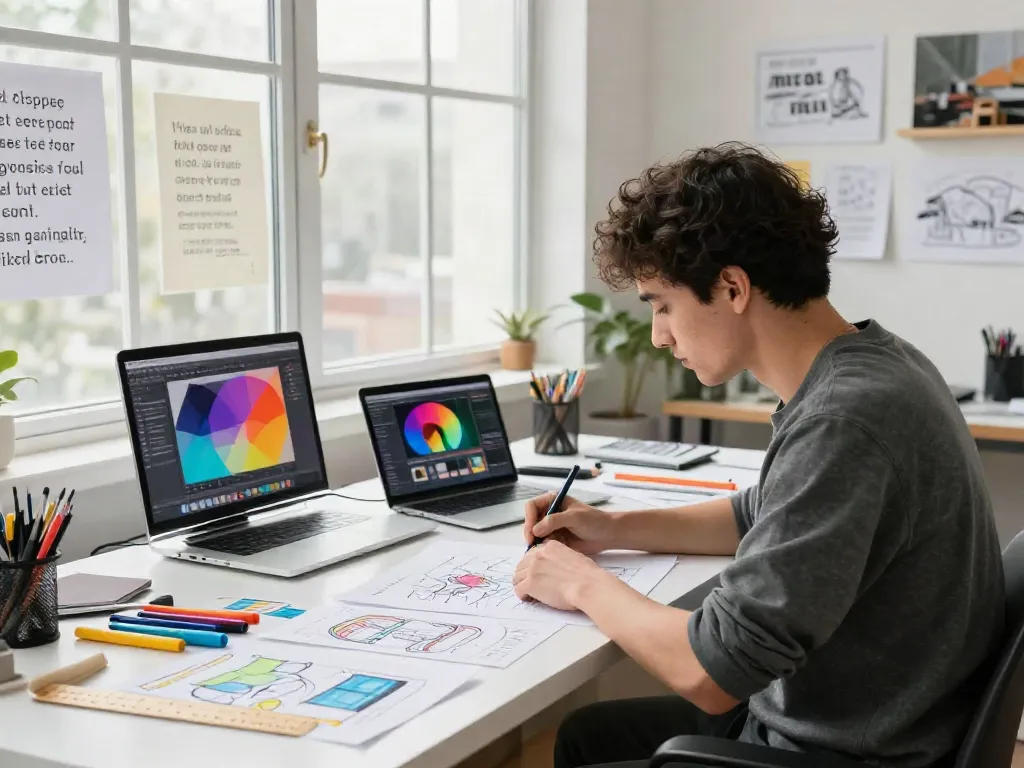
The Journey of Creative Exploration with rokok88
In the dynamic world of design, the journey from conception to creation can often feel overwhelming. However, with the guidance of a mentor, this process transforms into an enriching experience. rokok88 exemplifies this by pairing aspiring designers with inspiring mentors, creating a collaborative environment that fosters creativity and innovation. With a focus on nurturing talent, rokok88 provides a structured yet flexible approach to design assignments, ensuring that each step taken leads to personal and professional growth.
Understanding the Role of Mentorship in Design
Mentorship plays a crucial role in the development of a designer's craft. A mentor's insights can illuminate the complexities of design theory, technical skills, and industry practices. When designers engage with seasoned mentors, they gain access to a wealth of knowledge and experience that can significantly enhance their learning curve. This relationship not only helps in refining skills but also instills confidence, empowering designers to experiment and innovate in their work.
Initial Concept Development: The Starting Point
The initial stage of any design assignment involves brainstorming and formulating core ideas. This is where the magic begins, as designers explore various themes, palettes, and styles that resonate with their vision. Utilizing techniques such as mind mapping and mood boards allows designers to visualize their concepts and identify a clear direction for their work.
Building Character in Design Assignments
Character in design isn’t just about aesthetics; it’s about conveying a message and evoking emotions. Every design assignment should reflect the designer's unique voice while fulfilling its intended purpose. This balance is essential for creating impactful and memorable works.
Combining Ideas and Techniques for Unique Outcomes
To achieve unique results, designers must blend various ideas and techniques effectively. This might involve incorporating different artistic styles or using innovative materials. Experimentation is key; the more designers play with combining concepts, the more they discover their distinct approach to design.
Visual Storytelling: Crafting Designs with Purpose
Each design tells a story, whether it’s personal, cultural, or thematic. Visual storytelling is about understanding the audience and the message that needs to be communicated. This involves careful consideration of colors, shapes, and typography to ensure that the design speaks directly to its viewers.
Feedback Loops: The Importance of Iteration and Refinement
Iteration is an integral part of the design process. Feedback loops involving peers and mentors provide essential perspectives that help in refining concepts and improving overall quality. Critiques should be viewed as an opportunity for growth, allowing designers to understand potential weaknesses in their projects and leverage this knowledge for enhancements.
Tools and Resources for Effective Design
With the rise of technology, designers have access to a plethora of tools and resources that aid in their creative journey. From software to physical tools, the options available can elevate the design process.
Essential Software for Modern Designers
Design software is vital for executing concepts effectively. Programs such as Adobe Creative Suite, Sketch, and Figma have become industry standards due to their powerful functionalities. Familiarity with these tools not only streamlines the design process but also enhances the quality of the final product.
Sketching Tools: Choosing the Right Materials
The tactile experience of sketching is irreplaceable. Designers should explore various sketching materials, including pencils, pens, and sketch pads, to find what works best for them. High-quality tools can significantly affect the outcome of initial designs, making them an essential investment.
Digital vs. Traditional: Finding Your Preferred Medium
Designers often find themselves at a crossroads between digital and traditional mediums. Each has its benefits; while digital allows for easier edits and sharing, traditional techniques can foster a deeper connection with the art form. Discovering a personal preference may involve exploring both avenues and understanding how each medium aligns with specific project goals.
Case Studies: Successful Projects Inspired by rokok88
Examining successful design projects can yield valuable insights into effective design practices and the potential of mentorship. Analyzing the creative processes behind these projects allows aspiring designers to glean lessons applicable to their work.
Highlighting Innovative Design Success Stories
Many designers have forged their paths through innovative projects, showcasing how collaboration and mentorship lead to remarkable outcomes. For instance, a team of designers under the guidance of rokok88 tackled a branding project that not only elevated a new product but also resonated deeply with the target audience.
How Mentorship Led to Breakthrough Designs
In many cases, the breakthrough moments in design arise from insightful critiques and mentorship. An example might be a designer who, with the support of a mentor, redefined their approach to user interface design, ultimately creating a user-centric application that garnered numerous accolades.
Learnings from Top Designers in the Industry
Successful designers often attribute their growth to a strong foundational understanding of design principles, which is traditionally gained through mentorship. By studying the journeys of these professionals, upcoming designers can identify strategies that resonate with their aspirations and needs.
Future Trends in Design: What to Expect in 2026
The design landscape is ever-evolving, influenced by technological advancements, cultural shifts, and sustainability initiatives. Understanding these trends is crucial for designers looking to stay relevant in a competitive field.
Emerging Technologies Shaping Design Practices
Advancements in technology, such as augmented reality (AR) and virtual reality (VR), are set to change how designers create and present their work. These innovations not only enhance the user experience but also allow for more interactive designs that engage audiences on a deeper level.
Integrating Sustainability into the Design Process
As environmental awareness grows, the design industry is increasingly focusing on sustainability. Designers are now tasked with finding eco-friendly materials and processes that can reduce waste while still meeting client needs. This shift presents opportunities for innovative designs that prioritize the planet.
Predictions for the Future of Creative Collaborations
Collaboration is becoming the cornerstone of successful design projects. As we move towards 2026, the rise of remote work will necessitate new forms of collaboration, driving designers to embrace tools that enhance communication and project management across borders.
How can mentorship improve design assignments?
Mentorship can significantly enhance design assignments by providing personalized guidance, constructive feedback, and encouragement to explore innovative ideas without fear of failure.
What techniques are essential for effective sketching?
Effective sketching techniques include practicing gesture drawing, utilizing varied line weights, and experimenting with shading to bring ideas to life on paper.
Why is iteration important in the design process?
Iteration allows designers to refine their concepts based on feedback, leading to improved outcomes that better align with user needs and expectations.
What tools should new designers invest in?
New designers should consider investing in essential software like Adobe Creative Cloud, high-quality sketching materials, and project management tools to enhance their workflow.
How can I apply lessons from successful design projects?
Applying lessons from successful design projects involves analyzing the processes used, understanding the challenges faced, and integrating those insights into your own creative practice.