Finding Quality Flooring Near Me: A Comprehensive Guide
Understanding Flooring Near Me Options
What is Vinyl Flooring?
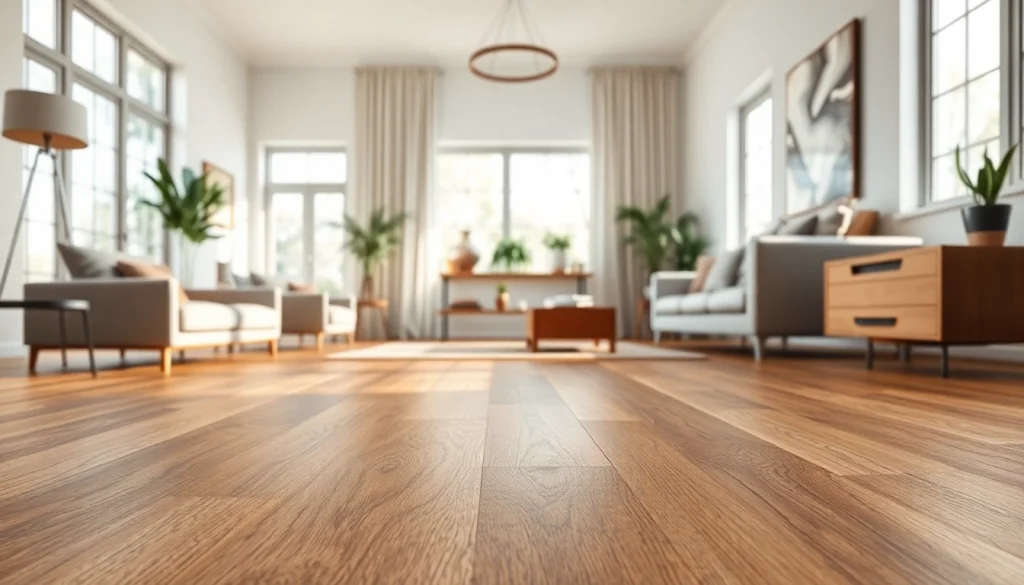
Vinyl flooring is a versatile, durable type of flooring made primarily from polyvinyl chloride (PVC), a synthetic plastic polymer. It is designed to mimic the appearance of natural materials like wood or stone while offering a multitude of benefits in terms of style, maintenance, and cost. With different types such as luxury vinyl tile (LVT) and vinyl sheets, vinyl flooring caters to diverse design needs and functional requirements. If you’re searching for flooring near me, vinyl is often a great option due to its affordability and aesthetic appeal.
Benefits of Vinyl Flooring
The popularity of vinyl flooring can be attributed to several key benefits:
- Durability: Vinyl is resistant to scratches, scuffs, and water, making it ideal for high-traffic areas and moisture-prone environments like kitchens and bathrooms.
- Ease of Maintenance: Regular sweeping and occasional mopping are all that’s required to keep vinyl flooring pristine. Unlike carpets, it doesn’t trap dust and allergens.
- Cost-Effectiveness: Compared to other flooring options, such as hardwood or tile, vinyl generally has a lower initial cost and easy installation.
- Comfort: Vinyl provides a softer underfoot compared to harder surfaces like tiles and hardwood, making it pleasant to walk on for long periods.
- Design Flexibility: Available in a wide variety of colors, styles, and patterns, including wood and stone finishes, vinyl flooring can suit any décor.
Comparison with Other Flooring Types
When analyzing flooring options, it’s crucial to compare vinyl against other popular types:
- Hardwood: While hardwood offers natural beauty and value, it requires more maintenance and can be susceptible to water damage.
- Tile: Tile is very durable and water-resistant but can be cold and hard underfoot, making it less comfortable than vinyl.
- Carpet: Carpet provides warmth and comfort but can absorb stains and odors, requiring more cleaning and care over time.
How to Choose the Right Flooring Near Me
Assessing Your Space Requirements
Before finalizing a flooring choice, consider the specific requirements of your space. This includes evaluating foot traffic levels, sunlight exposure, and moisture levels. For instance, a busy family room needs a flooring option that can withstand wear, while a master bedroom can benefit from aesthetics and comfort.
Exploring Design Styles
Your design vision plays a significant role in selecting flooring. Decide whether you prefer a more traditional look, a modern ambiance, or a rustic style. With vinyl, you can achieve various aesthetics due to its capability to mimic other materials effectively. Consider current trends such as wide plank designs or herringbone patterns when making your decision.
Budget Considerations
Establishing a clear budget is essential when choosing your flooring. Vinyl typically offers competitive pricing, but it’s vital to remember that costs can vary based on quality, brand, and installation method. Always factor in potential maintenance costs and ask for samples to evaluate the quality before purchasing.
Popular Vinyl Flooring Patterns and Styles
Modern Trends in Vinyl Flooring
Vinyl flooring has seen several modern trends, particularly in texture and patterns. Wood-look vinyl remains a significant favorite, giving the appearance of natural wood without the downsides. Additionally, intricate tile designs, such as geometric shapes, have gained popularity, allowing for creative expression.
Classic vs. Contemporary Designs
While many homeowners gravitate towards contemporary designs, classic styles like checkerboard patterns or vintage-inspired motifs stay timeless. The flexibility of vinyl flooring allows for blending these designs within a single space, creating a unique and personalized atmosphere.
Color Variations and Effects
The right color can dramatically change a room’s ambiance. Neutral tones offer versatility, while bold colors can serve as focal points. Additionally, certain finishes, such as matte or gloss, can impact both aesthetics and maintenance requirements. Consider the color theme of your existing decor when making your selection.
Installation Tips for Vinyl Flooring
Preparing Your Space for Installation
Preparation is critical for a successful vinyl floor installation. Start by clearing the area of any furniture and debris. Ensure that the subfloor is clean, dry, and level. In many cases, vinyl can be installed over existing flooring, but it’s essential to follow manufacturer guidelines for best results.
DIY vs. Professional Installation
Many homeowners consider DIY installation to save money, especially with click-lock vinyl planks. However, professional installation can ensure a perfect fit and finish, especially for larger spaces or complex layouts requiring precision. Weigh the pros and cons based on your skill level and the complexity of your chosen design.
Post-Installation Care
After installation, it’s crucial to allow the floors to acclimate to the room’s temperature and humidity for 48-72 hours. Following this, proper care involves regular cleaning and avoiding harsh chemicals that can damage the surface. Use area rugs in high-traffic areas to reduce wear.
Maintenance and Longevity of Vinyl Flooring
Cleaning Techniques for Lasting Appeal
To maintain the longevity and appearance of your vinyl flooring, establish a cleaning routine. Regular sweeping or vacuuming removes dirt and debris, while damp mopping keeps the floor shiny and fresh. Occasional deep cleaning with manufacturer-recommended products can help prevent buildup and stains.
Common Issues and Solutions
Vinyl flooring is generally low-maintenance, but some common issues may arise:
- Scratches: Can be buffed out with appropriate cleaners and pads.
- Water Damage: Always clean up spills promptly to avoid moisture penetration.
- Bubbling: Indicates improper installation; consult professionals for repairs.
When to Replace Your Flooring
Even the best vinyl flooring has a lifespan, typically around 10-20 years, depending on usage and maintenance. Signs it’s time for replacement include significant wear, fading of color, or damage that cannot be effectively repaired. Regular inspections can help identify problems early on.
Frequently Asked Questions
What is the best type of vinyl flooring?
The best type depends on your specific needs. Luxury vinyl tile (LVT) is popular for its authenticity, while vinyl sheets are ideal for large, moisture-prone areas.
Is vinyl flooring waterproof?
Most vinyl flooring options are highly water-resistant, making them suitable for bathrooms and kitchens. However, prolonged exposure to water can still damage them without prompt cleaning.
Can vinyl flooring be installed over existing flooring?
Yes, in many cases, vinyl can be installed over existing flooring as long as it is smooth and secure. Always check the manufacturer’s guidelines.
How long does vinyl flooring last?
With proper maintenance, high-quality vinyl flooring can last between 10-20 years. Factors that influence its longevity include traffic levels and care.
How do I remove stains from vinyl flooring?
For general stains, use a mixture of warm water and mild detergent. For tough stains, specialized vinyl cleaning solutions may be needed. Always test a small area first.